


EN 19 steel is an alloy steel selected for gears, shafts, pins, spindle axles and other components that are exposed to high strength or torsional loading. This steel grade is valued for its combination of toughness, strength, fatigue resistance and response to tempering and quenching. The EN 19 is widely used in Indian purchasing and engineering discussions. The technical complete enquiry states the required standard, diameter of bar, delivery condition, level of mechanical property, heat treatment route, component application and testing scope.
EN 24 is an alloy steel with various mechanical properties that make it suitable for multiple industrial applications. It offers hardness, strength, fatigue strength and wear resistance. It is heat-treatable to obtain corrosion resistance and machinability. The material has the perfect combination of high yield strength and impressive crisp resistance when exposed to increased temperature for a long period. EN 24 exhibits remarkable resilience when subjected to extreme pressure during the manufacturing process. This versatile material is ideal for various engineering projects due to its toughness and dimensional accuracy.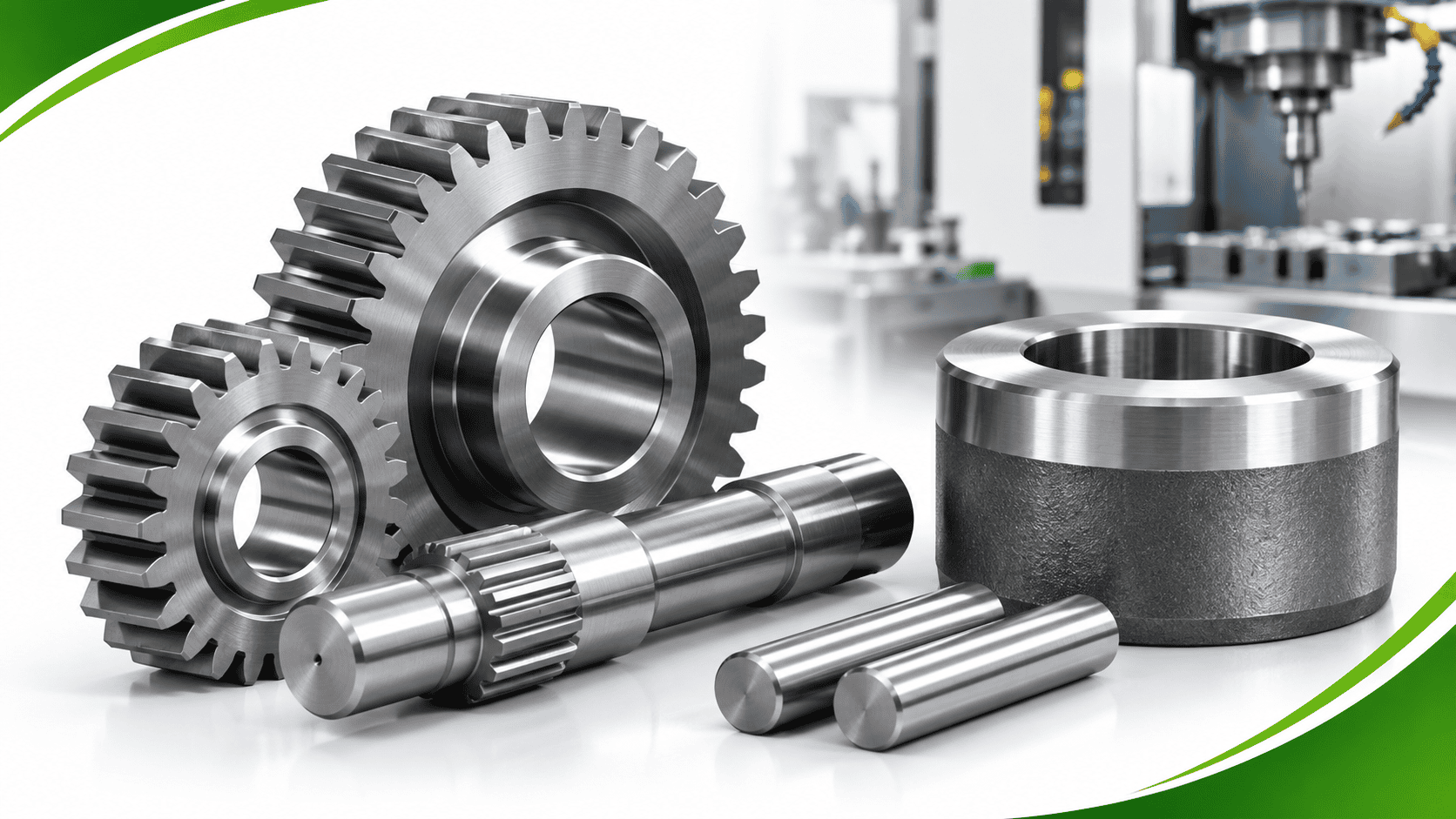
Properties of EN 19 and EN 24
Properties of EN 19
The EN 19 properties cannot depend on hardness value and universal strength. The result depends on the ruling section, bar diameter, delivery condition, processing, tempering and quenching. The properties of EN 19 include:
- High strength
Tempered and quenched conditions can provide high yield and tensile strength for loaded engineering components.
- Toughness
Alloying supports the perfect balance of shock resistance, strength and toughness when processed precisely.
- Fatigue performance
EN 19 is investigated for cyclically and rotationally loaded components subjected to surface finish, cleanliness and design.
- Hardenability
The grade has better hardening ability than plain medium carbon steel, but the larger section still requires a ruling section review.
Properties of EN 24
- EN 24 is a high-tensile alloy steel used for engineering and industrial applications. It has greater durability, strength and resistance properties than standard steel. It has superior weldability and exceptional machinability due to low carbon content.
- The combination of all these properties provides a material with excellent fatigue strength and allows it to be used in various industries such as aerospace, defense, automotive, nuclear power plants and more.
- These properties make this steel alloy an ideal component requiring reliability and high performance.
Applications of EN 19 and EN 24
Applications of EN 19
EN 19 is selected where plain carbon steel is not able to provide sufficient strength, hardenability or fatigue performance. Common applications include:
- Drive and transmission shafts
For rotating components exposed to bending, torsion and cyclic loading.
- Pinions and gears
For induction-hardened, through-hardened, or specified drive components subject to engineering approval.
- Spindles and axles
For machinery, automotive and heavy engineering components that require toughness and strength.
- Connecting parts and crankshafts
For components exposed to dynamic loading, the heat treatment plan and drawing plan specify EN 19.
- High tensile fasteners
For studs, bolts, pins and tie rods that require traceability and controlled strength.
- Heavy engineering components
For machined and forged parts used in oil, machinery, gas equipment and industrial assemblies.
Applications of EN 24
- EN 24 is a component composed of manganese, chromium, and nickel.
- It can also be used as a manufacturing component in various sectors to make aircraft parts due to its capabilities.
- EN24 has the capability to replace expensive materials with better performance at affordable prices.
Conclusion
It’s difficult to make the choice between EN 19 vs EN 24, as both are excellent materials for industries focusing on hardness, strength and durability. Both have unique properties, composition, applications, and advantages. Both components are necessary for manufacturing and designing industrial tools required to thrive in a competitive world. The experts at BK Steel Company provide complete guidance on selecting the best-quality tools, with Manish Madaan, who has years of experience, providing excellent guidance.
FAQ’S
Which alloy steel has better strength?
EN 24 is known for high strength, and EN 19 is known for wear resistance.
What is the compositional difference between the two alloy steels?
The only compositional difference is that EN 19 contains no nickel, and EN 24 contains nickel.
Which one to choose for which application?
Choose EN 24 if you need maximum toughness, and choose EN 19 if you need a cost-effective solution.
How can weldability be compared?
EN 19 has better weldability compared to EN 24 because EN 24 has a higher carbon equivalent.

