Understanding Types And Benefits Of Steel Metal Laser Cutting

Categories
Steel

Understanding Types And Benefits Of Steel Metal Laser Cutting

Loading

What is Steel laser cutting?

It is a process when a high-beamed laser is used to cut it into cuts in order to make certain that it is developed at a superior edge. Steel laser cutting is used in the industry where the welding and bending of the steel is highly needed and appreciated. This is the process when the beam laser is focused on the steel to separate it from another component and develop it into a vaporised material. Automotive, aerospace, construction, furniture, medical, iron steel industry and military are some of the common industries where the steel making process using steel laser cutting is highly needed. 

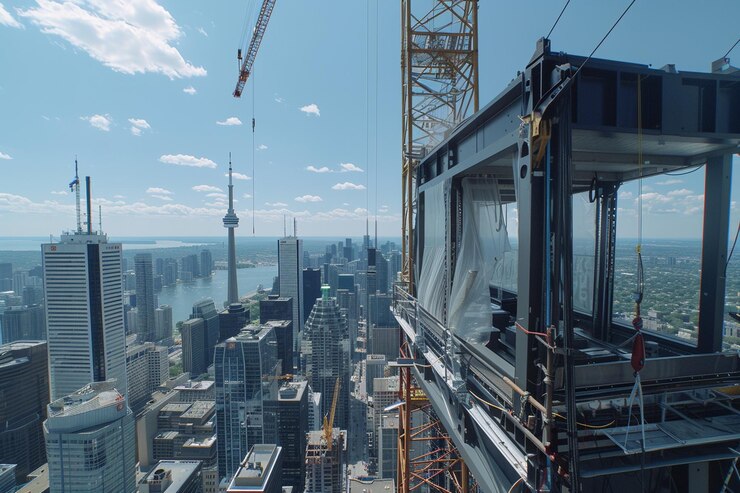
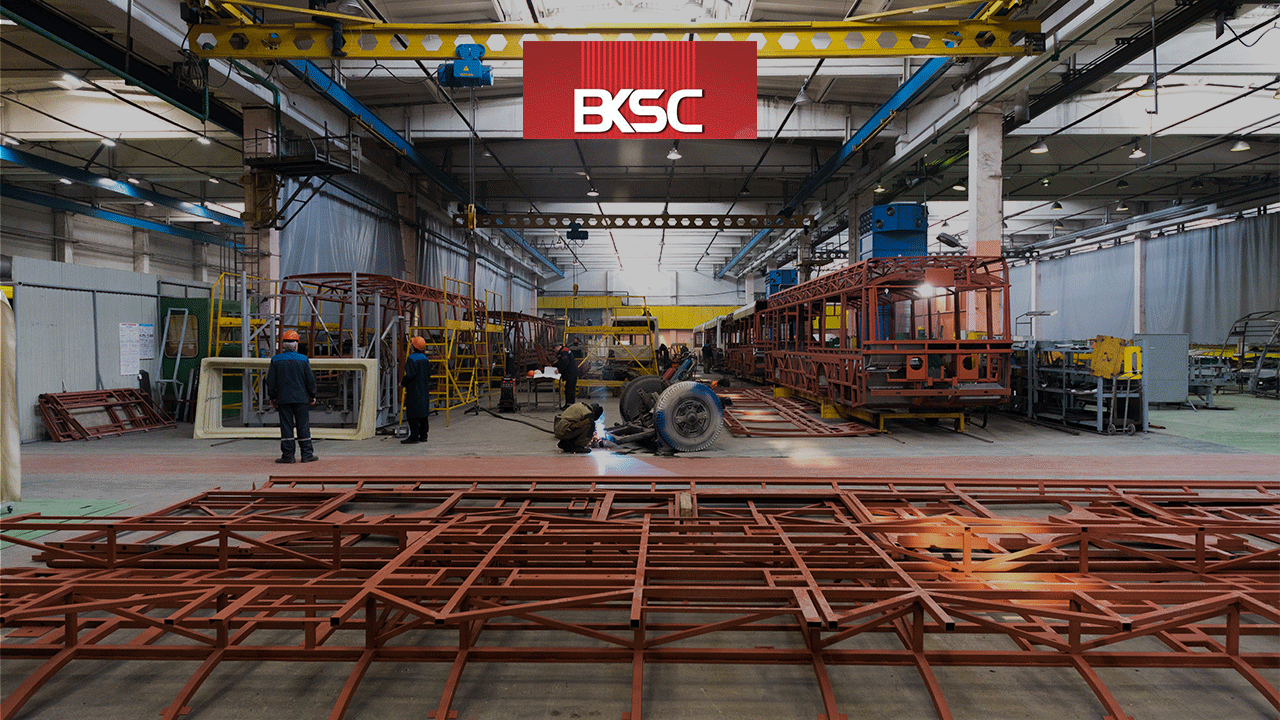
Precision steel laser cutting process in industrial metalwork, showcasing B K Steel Company expertise.


What are the types of steel laser cutting?

Understanding that steel laser cutting is categorised into four parts is an essential aspect. 

  • CO2 Lasers

It is a factor that uses elements of carbon dioxide, nitrogen, and helium gases and mixes them together, converting them into a laser beam. This type is highly appreciated by manufacturers who seek to cut thicker steel in an effective manner. These are not only effective for thick steels, but you can also make certain that you are able to cut materials like plastic and wood using this laser type in a thorough manner. There are many steel plants that support aid by using printing and surface coating processes. 

  • Fiber Lasers

If you seek to cut materials like stainless steel, carbon steel, aluminium, copper, brass, and titanium, you might need to choose a fibre laser for efficiency. The fibre lasers are known to be more effective in terms of beam lasers as their turning point reaches 30-50%, while the CO2 lasers can only reach up to 10-15%. If you are looking for a laser that needs lower maintenance, this could be the best option for you. 

  • Nd: YAG and Nd: YVO4 Laser

Nd: YAG and Nd: YVO4 Lasers are other extremely advantageous components that are known to carry similar lasers that use neodymium-doped yttrium aluminium garnet (YAG) and yttrium orthovanadate (YVO4), respectively. Using such lasers can make certain that you possess a system to store a large amount of energy and release it effectively. Its process of emitting pulses frequently for harder materials by harder working ensures that it aligns the use of ultrashort pulses.


How is the use of steel laser cutting beneficial?

There are several benefits that industries can gain from. Let’s review some of them. 

  • Precise method with tight tolerance

What makes it stand out among other traditional methods is the tight tolerance, as it can handle the effects and ensure the proper cutting of material edges. Therefore, many industries prefer using such frequency in order to make certain that they possess the ability to promote sophisticated textures. 

  • Minimal upkeep

You can make certain that you do not have to opt for high maintenance, as it requires minimal maintenance due to the longevity of the product. 

  • Affordability

Cost-effectiveness is another reason that sets it apart from other cutting techniques. You can ensure that you are saving time, effort, and money and keeping it maintained all in one frame with the help of steel laser cutting. 


  • Rapidity and effectiveness

Who doesn’t like to save time and gain efficiency in one place? Nobody, right? If you have an industry where you have to manage large productions, you should aim for steel laser cutting as you will not have to spend more time on it. 

How B.K. Steel Company can help.

Traits such as versatility and flexibility are the reasons why steel laser cutting has been in use for years in terms of high conversion rates. No matter what industry you own, if it is a medical field or a steel plant, you can reach out to B.K. Steel Company for better guidance on each laser cutting method and its effectiveness.

Categories
Steel

Understanding Why Structural Steel Manufacturing Is Important For Numerous Applications

Loading

From Raw Metal To Modern Marvels

Walk beneath a skyscraper, across a bridge or into a stadium, and chances are you’re standing on the strength of structural steel. Iron steel industry is a backbone of modern infrastructure, sleek, strong and unshakably reliable. Steel plants also known as steel mills or steel factories are industrial facilities where the steel is produced. 

Welcome to the world of structural steel manufacturing, a fascinating dance of heat, precision and human innovation. We will explore the benefits, walk through the manufacturing stages and highlight the wide-ranging applications that make structural steel one of the most important materials in the modern age. 

Why Structural Steel? The Superhero Of Construction Material

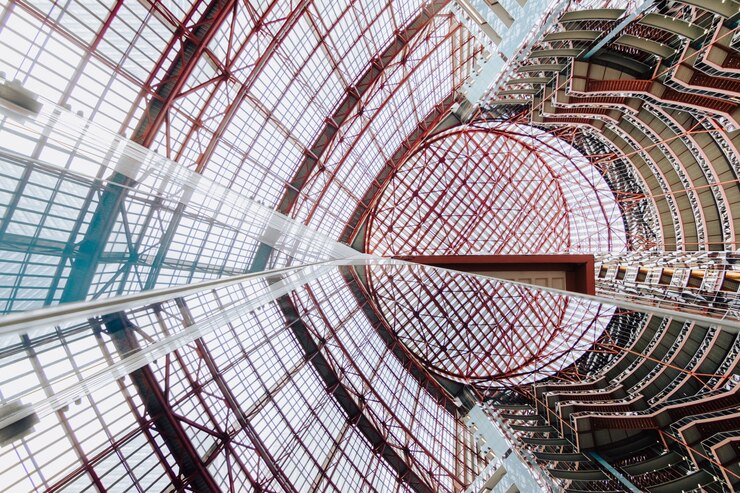
High-quality steel framework for construction projects at B K Steel Company.

Before we dive into how it’s made, let’s talk about why structural steel stands out:

  • Strengths meet flexibility and durability

Steel has a high strength-to-weight ratio. This means it’s incredibly strong without being bulky, a huge win for engineers designing large, open structures. It withstands time, weather, fire and even seismic activity better than most materials. With proper treatment, steel doesn’t warp, split or decay.

  • Eco-friendly and speed of construction

Steel is 100% recyclable without losing its quality. In fact, structural steel is often made from scrap metal, making it a leading material in sustainable construction. Because it’s fabricated off-site and assembled like a puzzle on location, projects move faster and with more precision than traditional concrete builds. 

  • Design freedom 

Architects love steel; it allows for bold, sweeping shapes and open interior spaces without requiring a forest of columns for support. 


Stages Of Structural Steel Manufacturing

Manufacturing structural steel isn’t a single process; it’s a journey. Each stage transforms the metal one step closer to its final, functional form. 

  • Raw materials selection and processing

The steel making process is the transformation of iron ore. It begins with iron ore, coal and limestone. These raw materials are smelted in a blast furnace to create molten iron, which is then converted into steel in a basic oxygen furnace or electric arc furnace.

  • Refining and alloying

Impurities are removed, and alloying elements like manganese, nickel and chromium are added. These adjustments tailor the steel’s strength, flexibility, corrosion resistance and weldability for specific use. 

  • Casting into semi-finished forms

The molten steel is cast into basic shapes-slabs, billets or blooms. These semi-finished forms are the building blocks for all further shaping. 

  • Hot rolling and shaping 

Through hot rolling, the steel is formed into structural shapes like:

  • I-beam 
  • Channels
  • Angles
  • Hollow structural sections (HHS) 

At this stage, dimensions are carefully controlled to meet international standards. 

  • Cutting, drilling and welding

Fabricators take standard steel profiles, cut, weld, and drill them into custom shapes according to architectural or engineering plans. There is where precision is non-negotiable. Structural steel undergoes ultrasonic testing, tensile strength tests, and dimensional checks to ensure it meets safety codes. 

Applications: Where Structural Steel Shapes The World

The reach of structural steel spans almost every factor of construction and infrastructure. Here are some of the most impactful applications:

  • Skyscrapers, high-rise buildings and bridges

Steel frames allow for vertical architecture. Without it, modern cities wouldn’t soar into the clouds. From pedestrian walkways to massive highway spans, structural steel offers the strength and flexibility needed to handle constant load and movement. 

  • Industrial buildings and stadiums

Warehouses, factories and power plants rely on steel frames for their open layouts and load-bearing capabilities. Large curved rooflines and long spans of structural steel make these architectural feats possible. 

  • Transportation infrastructure and residential buildings

Railway stations, airports, and ports use steel for their structural integrity and quick construction turnaround. While less common, steel is making its way into homes for framing, especially in areas prone to earthquakes or termites. 

For the best quality, visit BK Steel Company

We don’t just manufacture steel; we build the backbone of modern infrastructure. From skyscrapers to stadiums, bridges to industrial plants, and structural steel solutions that are engineered for unmatched strength, precision, and durability. Contact BK Steel Company today for the best experience. 

Categories
Steel

The Journey Of Your Trash:Smart Ways Of Waste Management

Loading

Waste management is applied in all sectors and industries, such as manufacturing and infrastructure. Waste can be anything hazardous to humans, the environment or anything that inhabits the environment, and we are not only stopping there. Here, we will discuss ways to curb and manage waste, and that is knowing the correct ways of disposing of waste and knowing what

Waste Management Deciphered

First of all, waste management is sometimes referred to as waste disposal. Waste management is an umbrella term used to describe all kinds of waste being disposed of; it may be household, industrial, or even bi, biomedical. As mentioned, all sectors or industries deal with different types of waste and waste management to ensure that it does not threaten human health, the environmental resources and the planet.

5 Effective Ways Of Waste Management

  1. Limit plastic use by buying reusable water bottles, cups and plates. Doing so reduces the amount of plastic that ends up killing the marine. It is also advisable to carry a reusable bag whenever shopping to limit the amount of plastic bags thrown away.
  2. Waste segregation is adequate because it helps reduce the amount of waste in land fills. Waste segregation means separating waste into dry, hazardous, and decomposable.
  3. Create compost; this is just as good as a buy one get one free because creating compost reduces the waste and allows organic waste to decompose and add nutrients to the soil, reducing the use of fertilizers.
  4. Reduce paper use and start using online or digital methods, for example, buying e-books and paying bills online to reduce paper production.

6 Rs Waste Management Technique

  1. Refuse; do not purchase any item that will be of single-use or non-recyclable.
  2. Reduce the consumption of non-essential foods because that can lead to food waste.
  3. Recycle, sort, collect and process the used materials to ensure they are used to their maximum capacity.
  4. Reuse the discarded items again, for example, using an empty peanut butter jar to store spices.
  5. Repair, repairing damaged items, for example, mending tyre tubes after being punctured instead of throwing them away and increasing the amount of waste.
  6. Repurpose, finding new uses for something, for example, old shirts, turning them into cleaning clothes.

Effective Ways Of Waste Management In the Steel Industry

Recycling steel is the best way to manage waste in the Steel industry. Some by-products or waste products can be used for several things after steel recycling. Take, for example, slag steel; it is primarily a by-product of steel. It is used for cement or road construction because it lowers energy consumption.

It has been long overdue since people have been advocating for environmental change and waste recycling, and that is why at BK Steel Distributor, we believe charity begins at home. We practise waste management to lower the risks of diseases or injuries caused by certain waste products. Waste management ensures that we follow work ethics and guidelines and do what is needed as humans.

Categories
Steel

Facts About Steel Plants.

Loading

Steel is a basic thing that is massively used in houses, offices, apartments and everywhere. Steel industry is the one that is gaining a lot of profit in this current epoch. Even for the building purpose steel is used. The framework of a building is made of steel only. Steel is exceptionally strong, that is why when constructing skyscrapers, steel is used. It plays an imperative role. 

Steel manufacturing industries taking steps towards sustainability: 

Although steel is important, it poses environmental concerns. During the manufacturing of the steel, a great amount of energy is used, this results in the production of carbon dioxide which is catastrophic for the environment and humans as well. People can not avoid buying steel; therefore, steel manufacturing industries need to adopt some carbon reduction strategies that will help to reduce the emission of carbon dioxide from these industries. It will not eliminate this issue totally in less time; however, it will be helpful in curbing this issue to some extent. In simple words, they need to alter their steel-making process. 

The Future of Steel: Sustainability & Innovation in Manufacturing

Using Hydrogen

Due to the environmental factor, people should switch to green steel production. Let us comprehend what it is basically. Well, using hydrogen instead of coal while making steel is an environmentally friendly approach. This will help to save mother Earth to a great extent. 

Switching to electric arc furnaces

Using electric arc furnaces instead of blast furnaces is also a great way to reduce carbon dioxide emissions. In fact, industries now have tremendous access to wind and solar power, which makes using electric arc furnaces more easy. 

Artificial Intelligence

Steel plants should use Artificial Intelligence as it will also result in bringing a positive change in terms of environmental issues. The temperature can be optimised by the manufacturer and the energy use can be dwindled with the help of Artificial Intelligence. If the industries take the advantage of automated robots, then the manufacturing operations can become more efficient. 

Nanotechnology

Steel manufacturing industries are now preferring to use nanotechnology. Owing to this, the steel becomes stronger and the durability of it also increases. Durable steel is lucrative to use for the construction purpose. 

High-Quality & Durable Steel Products for Every Industry

The emergence of smart steel

Just like smartphones, smart steel is also tremendously fruitful. Smart steel have the ability to check their own stress level and temperature along with that they can also monitor the structural integrity. However, these can be exorbitant. 

Recycling and sustainable production

In the upcoming time, there is a potential that steel plants will start to use recycled material instead of new raw material to reduce waste and they will combine this approach with sustainable practices to ensure that the environment remains safe. 

Geopolitical and economic influence

Economic conditions combined with geopolitical circumstances prevailing in the society exert influence on the future of steel industries. If the trade policies are altered or the supply chain gets disrupted, there are chances that it has catastrophic effects on the availability of raw material and the production cost. Therefore, sometimes, the prices of steel escalate. 

Research and development

At present, iron steel industries are devoting a hefty amount of monetary resources for the research and development purpose by doing partnerships with technological firms and research institutions. Through continuous innovations, manufacturers always try to improve the quality of metal. 


BK Steel Company gives the toughened and durable steel that lasts long, resulting in saving your money. Our steel has more strength and can withstand any adverse condition. Therefore, if you are looking for steel of optimum quality, our company is here to help you in this regard. 

Categories
Cold Work Tool Steels Hindi Metal Steel Tool Steel

जाने क्या है H13 टूल स्टील और कौन-कौन से अनुप्रयोगों में होता है इसका उपयोग ?

Loading

बीके स्टील कंपनी ने अपने यूट्यूब चैनल में पोस्ट एक यूट्यूब शॉर्ट्स के माध्यम से ये बताया की H13 टूल स्टील एक ऐसा प्रीमियम हॉट टूल स्टील है, जिसका व्यापक रूप से सबसे अधिक उपयोग हॉट और कोल्ड वर्क टूलींग वाले अनुप्रयोगों में किया जाता है | H13 स्टील टूल को AISI एलॉय स्टील द्वारा वर्गीकरण प्रणाली समूह में H स्टील के रूप में वर्गीकृत किया गया है | इस स्टील की यह सीरीज H1 से लेकर H19 तक शुरू होती है | आइये जानते है  H13 टूल स्टील की क्या-क्या विशेषताएं है :- 


  • इस स्टील का उपयोग उच्च तापमान और कम तापमान दोनों में प्रतिरोध के लिए किया जाता है | 
  • यह स्टील कठोरता और तनयता में उच्च स्तर होता है |
  • इस स्टील की क्षमता मशीनीकरण और पॉलिश करने में एक सम्मान और उच्च स्तर का होता है |  
  • यह स्टील उच्च तापमान में भी अच्छी ताकत के साथ-साथ थर्मल थकान के प्रतिरोध होता है | 
  • यह स्टील सर्वश्रेष्ठ कठोरीकरण गुणों से भरपूर होता है | 
  • H13 टूल स्टील कठोरीकरण के दौरान बहुत सीमित विरूपण करता है |   


यदि आप भी H13 टूल स्टील की खरीद के लिए बेहतर संस्थान की खोज कर रहे है तो बीके स्टील कंपनी से बेहतर संस्थान और कोई भी नहीं है | इस संस्थान के पास स्टील के हर ग्रेड मौजूद है और यह हर तरह के स्टील टूल की डीलिंग करती है, इसके साथ ही बीके स्टील कंपनी पूरे भारत में स्टील की आपूर्तिकर्ताओं में बेहतरीन कंपनी के नाम से भी जाना जाता है | इसलिए आज ही बीके स्टील कंपनी नामक वेबसाइट पर जाएं और दिए गए नंबरों से संपर्क करें | 


इससे जुड़ी अधिक जानकारी के लिए आप दिए गए लिंक पर क्लिक करे और इस वीडियो को पूरा देखें | इसके अलावा आप बीके स्टील कंपनी नामक यूट्यूब चैनल पर भी विजिट कर सकते है | इस चैनल पर आपको इस विषय संबंधी संपूर्ण जानकारी पर वीडियो प्राप्त हो जाएगी |   


Categories
Alloy Steels Hindi Steel

EN8 कार्बन एलॉय स्टील क्या है और कौन-कौन अनुप्रयोगों में सबसे ज्यादा किया जाता है उपयोग ?

Loading

बीके स्टील कंपनी ने अपने यूट्यूब चैनल में पोस्ट एक यूट्यूब शॉर्ट्स के माध्यम से यह बताया कि EN 8 कार्बन एलॉय स्टील को इंडस्ट्री में सबसे लोकप्रिय कार्बन स्टील माना जाता है | EN8 स्टील एक बिना मिश्रण वाला मध्यम कार्बन स्टील होता है, जिसका उपयोग उन अनुप्रयोगों में किया जाता है जहाँ हलके कार्बन स्टील के बजाए बेहतर गुणों से भरपूर कार्बन स्टील की आवश्यकता होती है |  इस कार्बन स्टील को इंडक्शन और हार्डनिंग प्रक्रिया द्वारा अच्छे तकनीकों से सतह को  कठोरता और मध्यम पहनने के प्रतिरोध करने के लिए तैयार किया जाता है | आइये जानते है EN8 कार्बन एलॉय स्टील का उपयोग कौन-कौन अनुप्रयोगों में किया जाता है :-  


  • स्वचालित भाग के निर्माण में 
  • कनेक्टिंग रॉड 
  • नट, बोल्ट, स्टड 
  • धुरा, स्पिंडल
  • सामान्य इंजीनियरिंग उपकरणों में


बीके स्टील कंपनी ने यह भी बताया की उनके संस्था कार्बन स्टील के हर ग्रेड में पूरे विश्व भर के बेहतरीन आपूर्तिकर्ताओं में से एक है और साथ ही वह पूरे भारत में हर तरह के कार्बन स्टील का आपूर्ति भी करते है | आपूर्ति करने के दौरान उन्हें इस बात का पता लगा है की  EN8 कार्बन एलॉय स्टील एक सर्वोत्तम मांग वाला अनुप्रयोग है,  जिससे आसानी से हार्डेन और मशीनीकरण किया जा सकता है | 


यदि आप भी EN8 कार्बन एलॉय स्टील की खरीद के लिए बेहतर संस्थान की खोज कर रहे है तो बीके स्टील कंपनी से बेहतर विकल्प और कोई भी नहीं है | इस संस्थान से आपको  EN8 कार्बन एलॉय स्टील  के अलावा और भी ऐसे ही कई प्रकार के कार्बन स्टील प्राप्त हो जायेंगे | इसके साथ ही यह आपको EN8 कार्बन एलॉय स्टील से संबंधित संपूर्ण जानकारी के साथ-साथ सही मार्गदर्शन भी प्रदान कर सकते है | इसलिए आज ही बीके स्टील कंपनी की वेबसाइट पर जाएं और दिए गए नंबरों से संपर्क करें | 

इससे जुड़ी अधिक जानकारी के लिए आप दिए गए लिंक पर क्लिक कर इस वीडियो को देखें | इसके अलावा आप बीके स्टील कंपनी नामक यूट्यूब चैनल पर भी जा सकते है | इस चैनल पर आपको इस विषय संबंधी संपूर्ण जानकारी पर वीडियो प्राप्त हो जाएगी |

Categories
Steel

Revolutionising Infrastructure: The Impact Of Steel In Mega Projects

Loading

In the dynamic world of construction and for big projects, steel is the main equipment for innovation and strength as it has a transformative impact that combines progress and durability, reshaping the skylines and redefining the infrastructure. Steel has become the cornerstone of modern constructions with its strength and adaptability. So, the selection of materials becomes essential when it comes to erecting structures that stand the test of time. Among the many steel manufacturers, steel is notable for its quality.


Due to its cost-effectiveness, steel is the preferred building material for skyscrapers, car parking, and many other infrastructure projects. Pre-cut steel saves countless hours of labour compared to more care-intensive materials. However, steel can also become a corrosion-resistant product requiring barely any maintenance through the simple, centuries-old galvanising process. So, when maintenance is needed, steel sections are manageable to replace, and the replaced parts can be melted down and re-moulded for another project without losing strength.

The impact of steel in mega projects extends beyond more structural support. The structural integrity provided by the steel allows architects and engineers to dream bigger, design grander, and build with unparalleled confidence. So, it is a silent force that orchestrates the symphony of progress, seamlessly merging aesthetics with functionality.


The mechanical and automotive sectors, along with building and infrastructure, consume over 50% of steel production worldwide. So steel is used in housing and construction and spans multiple business sectors like architecture, transportation, farming, and energy.


Steel is used in the architecture sector in various ways, such as structural shapes like rebar and I-beams in building foundations, HVAC systems, windows, fasteners, plumbing, and moulding on stairwells, which all use steel. Also, office buildings, schools, parking lots, and sidewalks are all conceived with an order of pre-fabricated steel parts.


Any investment in transportation projects directly impacts the competitiveness of the steel industry because the transportation sector relies heavily on steel. There are many things, such as planes, trains, automobiles, and boats, that depend on steel during manufacturing and afterwards for infrastructure like waterways, roads, and portal frames for airport hangers.

Steel is also critical for constructing the transportation framework of consumable resources, such as water, which is the most crucial, as some channels and canals carry the ships that also serve irrigation purposes for farms and cities. Pumps, hydraulic systems, dams, and sprinkler systems also use the steel components. 


Steel infrastructure also supports the gas, oil, and electrical lines, which include hydroelectric power, oil pipelines, electric lattice towers, and natural gas pipes. These are a few examples of how steel helps our energy needs. Photovoltaic solar panels also need steel for mounting brackets. Ethanol, biodiesel, and oil refineries also use structural steel for construction.


B.K Steel Company prides itself on its role as a leading steel manufacturer. We provide the best products by means of stringent application of quality assurance procedures and an integrated depository system to meet the needs of this market. We help customers in demand of materials in the shortest lead time while maintaining the economic prospects and maintaining the stock of goods of the best quality.


We have a certain cutting machine to deliver goods to customers at the earliest. We also cater to customers’ exact requirements by minimising the customer’s in-house operations as we supply steel all over India. 

Categories
Steel Steel distributor

Steel: The backbone of modern industry

Loading

Steel has been the backbone of the industry. Everything you see is made from steel or iron, like machinery and tools. The automotive sector heavily relies on steel to create vehicles for any machinery because they are durable, fuel-efficient, and safe. Steel output and demand are vital to the country’s industrialization and economic growth. With advanced steel, cars are lighter, and fuel efficiency is better without compromising safety guards. Steel is a mixture of iron and other alloying metals. This creates new materials and enhanced properties. Steel is used in many electrical applications, heavy construction, and other tools. Even the needle and safety pin you use are made of steel. Many large buildings have steel frameworks, and machines are mostly made from steel, especially farm machines. Minerals are mined with steel equipment. 

However, steel distributors in India supply high-quality raw materials to build companies. This further ensures a seamless availability of steel in different sectors.

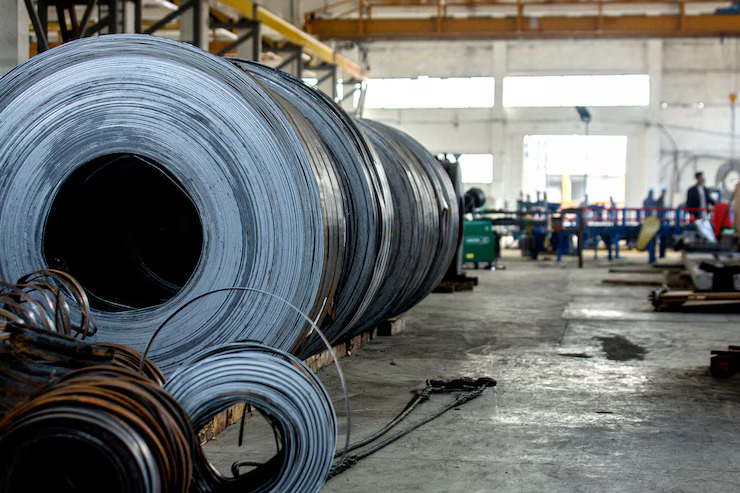
Close-up of steel rolls with perforated surface at BK Steel Company.

Four main types of Steel:

  • Stainless Steel: This type of steel is used to make medical equipment, kitchen appliances, and construction materials. Stainless steel contains at least 10.5%  chromium, which gives it corrosion resistance. This steel is used for hazardous construction materials; stainless steel is highly prized for its corrosion resistance and strength.
  • Types of Stainless Steel:
  • Martensitic alloys                                     
  • Austenitic alloys                                       
  • Ferritic alloys
  • Duplex alloys                                    
  • Alloy steel: Alloy steel contains alloying elements like nickel, chromium, molybdenum and vanadium.It is a type of iron mixed with several other elements and contributes its unique properties to the final product. It is known for its enhanced strength and corrosion resistance. Alloy steel is commonly used for construction, automotive parts as well as appliances.
  • Types of Alloy Steel: 
  • Aluminium
  • Copper
  • Manganese
  • Molybdenum
  • Silicon
  • Vanadium                                    
  • Tool steel: This type of high-carbon steel is designed for manufacturing, cutting, and drilling. It is known for its hardness and resistance to abrasion. Tool steel has elements like tungsten, molybdenum, and vanadium.
  • Types of Tool Steel:
  • Air- hardening
  • Water-hardening
  • Oil-hardening
  • Hot-working
  • Shock resisting
  • High-speed
  • Carbon steel: This steel contains carbon as the primary alloying element. It contains only 2% carbon, which makes the steel strong and less by weight, so carbon can be used for numerous purposes. 90% of steel production is done from carbon steel. It is commonly used for construction, automotive parts and appliances. It is popular because of its simplicity and durability.
  • Types of carbon steel:
  • Low Carbon
  • Medium Carbon
  • High Carbon

The Flexible Nature of Steel

Steel is flexible in nature as it is a major part of modern industry because of its adaptability. Steel can be modified by altering its composition and heat treatment, resulting in different types of Steel to meet specific requirements. For example, carbon steel is valued for its strength and durability, while stainless steel is prized for its corrosion resistance.


Role of Steel Distributors:     

Steel distributors in India are a link between steel manufacturers and end users across various industries. They ensure that high-quality steel products are easily provided to large and small industries in a timely and reliable manner. The main focus of distributors is to keep the Indian economy moving forward.      


If you want to get high precision or high-quality steel, then you should contact the B.K steel company. They not only offer an excellent service but also provide valuable guidance to clients to opt for good tools and special steels.

Categories
Steel Steel distributor

Discovering The Marvels Of Advanced Metallurgy

Loading

In modern construction trends, steel holds great significance that cannot be overstated. It is considered as the backbone of the countless structural projects. Its versatility, strength and flexibility make it a core element in carrying out construction activities with ease. Steel is also a widely used metal to make machinery that is used at various production units all over the world. 

Many evolving cities have great revolutions of technological advancements at the hubs of steel manufacturers and distributors. The innovations in metallurgy have proved steel’s versatility by achieving the market’s demands. The metallurgy department is constantly pushing boundaries, creating wonders with steel, and easing the construction process.  


Crafting Excellence 

There are numerous steel distributors and manufacturers, but only a few achieve the level of precision with a continuous supply of high-quality steel. It is the attestation of perfection that is responsible for becoming the best steel distributors in India. By employing skilled laborers and using cutting-edge technology, they are used to produce steel that matches the quality standards.  


Emerging as metro cities like Ludhiana are the hub of innovation and passion for delivering top-quality steel. Specific research is conducted to bring development in the metallurgy industry. The best and most advanced techniques are used to curve and manufacture steel that stands out on industrial requirements.  


Establish Robust Foundation

The most significant part of any building is its foundation, which is made of steel TMT bars that help create robust foundations for large buildings. The durability and robustness of the steel bars help constructors and architects set up strong substructures for any complex architectural project. TMT bars are also considered as the cornerstone of construction and also renowned for their superior ductility. The toughness and resilience of TMT bars come from its manufacturing process, which involves heat treatments. While manufacturing, the manufacturer keeps in mind that bars can be easily welded for future processing. You can also get robust TMT bars by contacting us through our website. We offer you quality steel products that make your construction process more efficient.  


Secrets Of Steel Alloys 

The science of manipulating metals is primarily termed metallurgy. The manufacturers of steel can tailor a large number of steel alloy properties. Alloying elements are the process that is used for tensile strength and also helps in making steel corrosion-resistant. The selection of techniques and the correct proportion of alloying elements play a vital role. The alloying of steel is performed with carbon and a mixture of other elements. The hardness and strength of the steel come from alloying with carbon. Manganese, chromium, and nickel are also the elements that are responsible for making steel corrosion-resistant, durable and versatile.  

In conclusion, where innovation meets strength and forms robust products. Get quality alloy steel from the best steel distributors in India. Our goal is to promote sustainable steel to 

secure future for the coming generation. We are promoting steel that is developed using environmentally conscious solutions. Vacuum degassing and controlled rolling are the advanced metallurgy techniques that are used to produce quality steel. We are committed to delivering exceptional alloyed steel that helps you construct your projects with ease. 


Categories
Steel

How Remanufacturing is Impacting the Steel Industry

Loading

Steel manufacturing has been a lucrative and ever-growing business for decades. With the advent of industrialisation, steel manufacturers have seen an increasing rise in demand for their products. As a result of the increased demand, most manufacturers have started to produce more and more steel each and every day. It is a versatile product, and a number of people are finding new ways to use this metal in a variety of places.


Typically, steel can be used by the following industries in smaller or larger quantities:

  • Construction 
  • Transportation 
  • Electricity
  • Agriculture
  • Oil and Gas
  • Machinery Production 
  • Catering 
  • Packaging 

Most people do not realise how important steel is in our day-to-day lives. Having steel on hand, available to us for use, has been possible because of the exponential interest of people in establishing themselves as steel manufacturers. The steel industry is incredibly important to the overall well-being of the nation. Having a well-established steel industry leads to a number of benefits, some of them include:


  • Increase in Economic Impact: Steel industries have been an imperative contributor towards a nation’s overall economy. 
  • The evolution of Infrastructure: Having an established steel industry in the nation allows the nation’s infrastructure to develop and prosper. 
  • Manufacturing Industry: Steel is also used in the manufacturing industry – no matter what type of manufacturing it is. 
  • Increasing Sustainable Development: The steel industry can also help establish and build infrastructures that help in the formation of a sustainable future.
  • Helping People in Building Houses: Steel is also an important component when it comes to building houses. It makes the construction aspect cheaper to afford, therefore helping to protect a number of families. 

Remanufacturing is effectively and essentially a process through which one can restore the capacity and capabilities of steel to a new-like condition. It has transformed the manner in which the steel industry ideally operates. The process helps in elongating the life of a product by effectively replacing the parts and maintaining the same level of performance for a number of different products. 


Remanufacturing also means that the steel industry is not always producing new steel, therefore not only preserving a number of natural resources but also ensuring that there is not an excessive amount of steel that ends up in a variety of landfills. The process of remanufacturing is, therefore, a process of working towards a sustainable environment and future. 


The steel industry has started incorporating various methods that involve and promote the remanufacturing of steel in order to help enhance and establish a cycle of consumption that is far more sustainable than overusing natural resources in order to manufacture new steel. However, the incorporation depends on the industry – in the automotive sector, it is a well-established practice, while in other industries, remanufacturing will find its way. 

B.K. Steel Company has been a leading manufacturer of steel in the country. We have also incorporated the process and procedure of remanufacturing steel. We offer quality and excellence while maintaining reliability standards at affordable rates. For any of your steel needs, contact B. K. Steel Company.